Roam Glade Editorial · Updated November 2026
How we make money: links with an arrow icon go to booking sites and are marked as sponsored. Some may become affiliate links, which means we could earn a commission if you book, at no extra cost to you. We have not stayed at, and are not paid by, any property named on this page; names are given as examples of what exists, not as reviews.
Glamping in Scotland means wooden pods with a loch view, cabins in old pine forest and huts on Highland farms. It puts you close to the easy walks of the Cairngorms, Glencoe and Skye without camping in the rain.
Here's where to base yourself and the types of nature stay to look for.
Where to Base Yourself
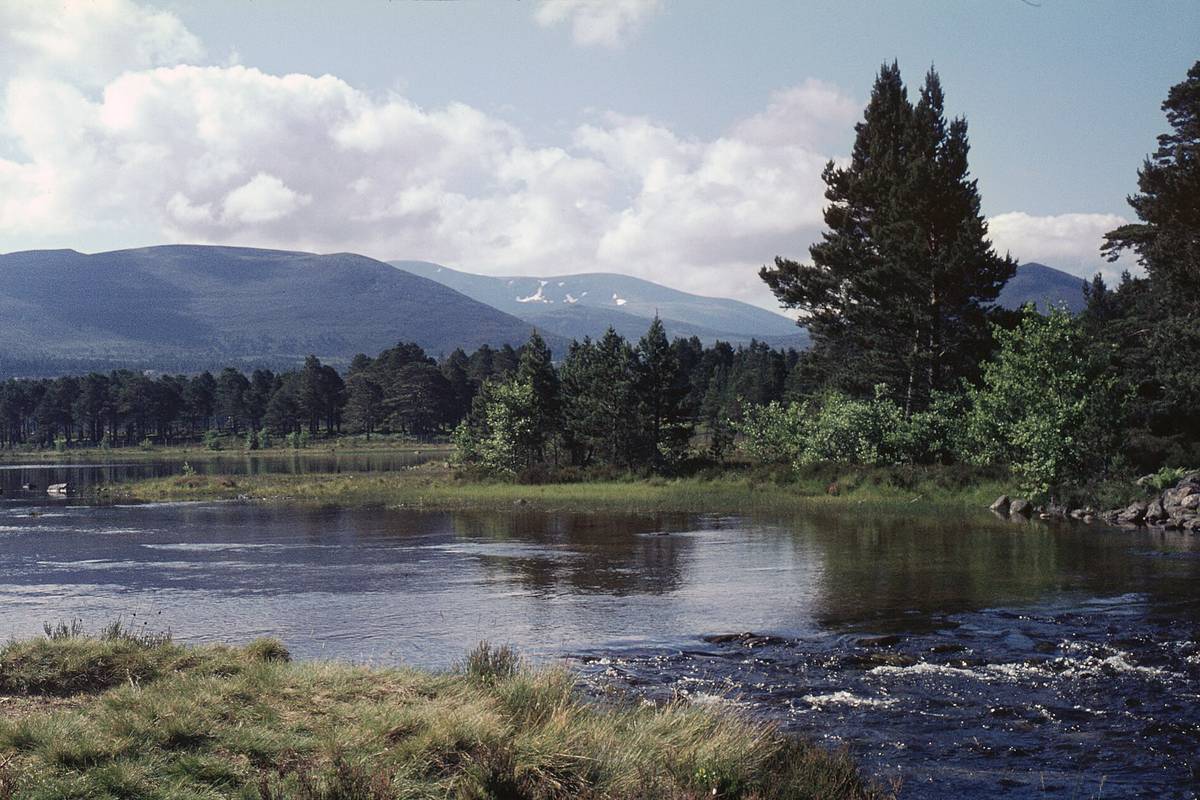
Aviemore and the Cairngorms
Pine forests, lochs and the Loch an Eilein walk. Lodges and cabins in the forest; on the main railway line.
Fort William and Glencoe
Mountain scenery, Steall Falls and Glencoe Lochan. Lots of pods and cabins along Loch Linnhe and Loch Leven.
Isle of Skye
For the Fairy Pools and Fairy Glen. Glamping pods with sea views, but summer books out early.
Highland Perthshire
Big Tree Country around Dunkeld and Pitlochry: woodland cabins, close to the Hermitage and easy to reach from Edinburgh.
Types of Nature Stays
Glamping pods and shepherd's huts
Wooden pods and huts with heating, beds and, often, a private bathroom or hot tub. Found all over the Highlands, especially near Fort William, on Skye and along the North Coast 500.
Cabins and lodges
Forest lodges and timber cabins, many open all year, especially around Aviemore and Perthshire. A comfortable choice for families and winter visits.
Bothies (for the adventurous)
Free, basic shelters in remote glens maintained by the Mountain Bothies Association. No facilities and no booking: only for well-equipped walkers. Follow the Bothy Code.
Wild camping
The Scottish Outdoor Access Code allows responsible wild camping on most unenclosed land, but not in the Loch Lomond camping-management zones without a permit, and not near roads or buildings. Leave no trace.
Booking Tips
- For July and August, book Skye and Glencoe stays months ahead.
- Check heating and drying space; wet gear is a Highland fact of life.
- Midges are worst from late May to September; screened doors and windows help.
- Many pods sit on working farms with single-track access; arrive in daylight.
Search for a stay
Questions People Ask
Is glamping in Scotland worth it in winter?
It can be, if your pod or cabin has proper heating and insulation. Days are short and wet, but there are fewer people, and in the north you may see the northern lights. Many seasonal glamping sites close from about November to March.
What is a bothy?
A bothy is a basic, unlocked shelter in remote country, free to use and maintained largely by volunteers of the Mountain Bothies Association. There are no beds, water taps or bookings; you bring everything and follow the Bothy Code. They suit experienced walkers rather than a first nature trip.