Roam Glade Editorial · Updated November 2026
Nature runs on its own schedule. The same valley can be a roaring waterfall in May and dry rock in September, and the northern lights are invisible all summer. This calendar shows where to go each month for four seasonal events: the northern lights, whale watching, fall foliage and wildflowers.
Timings are typical, not guaranteed. Weather, snowfall and the solar cycle shift them from year to year, so check local reports before you book.
January
-
Iceland, Tromsø (Norway), Finnish and Swedish Lapland, Yukon and Fairbanks
-
Maui, Hawaii (December–April); grey whale lagoons of Baja California Sur
-
New Zealand's South Island
February
-
Arctic Norway, Lapland and Iceland, with lengthening days
-
Desert wildflowers (wet years)
Anza-Borrego Desert State Park, California
-
San Ignacio and Magdalena Bay lagoons, Baja California Sur
March
-
Iceland, Norway, Finland, Canada
-
Zion and Yosemite
-
Wildflowers
Texas Hill Country bluebonnets (late March–April)
April
-
Yosemite Valley (April–June)
-
Autumn colour (southern hemisphere)
Arrowtown and Central Otago, New Zealand
-
Bluebell woods
England and Scotland (late April–May)
May
-
Puffin colonies
Iceland and Scottish islands (birds arrive in April; easiest to see May to early August)
-
The Azores (spring migration)
-
Spring walks without summer crowds
Lake District, Zion
June
-
Swiss Alps (late June–July)
-
Near-24-hour daylight and whale season
Húsavík, north Iceland
-
Banff: Lake Louise and Moraine Lake usually ice-free
July
-
Swiss Alps; Mount Rainier's Paradise meadows (late July–August)
-
Vancouver Island and the Salish Sea
-
Machair flowers
Scotland's Outer Hebrides
August
-
Hermanus, South Africa (June–November)
-
Wildflowers
Namaqualand, South Africa (August–September); Western Australia (August–October)
-
Scottish Highlands
September
-
Banff and the Canadian Rockies (mid–late September)
-
Aurora season begins (equinox)
Iceland, Norway, Yukon, Scotland
-
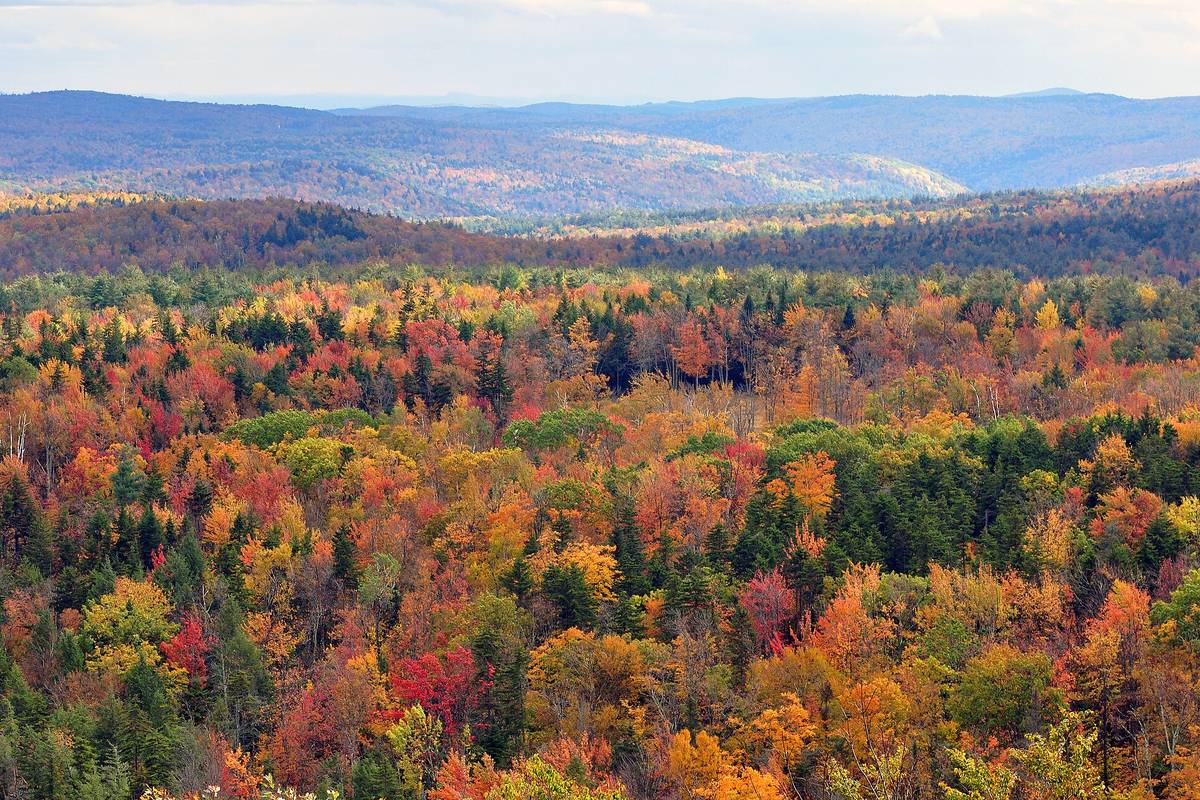
Fall foliage starts
Northern Vermont and New Hampshire (late September)
October
-
New England (early to mid October); Perthshire, Scotland
-
Autumn colour and quiet trails
Lake District, Zion, Yosemite
-
Iceland and Arctic Norway
November
-
Autumn leaves (momiji)
Kyoto and Nara, Japan (mid–late November)
-
Northern Norway fjords (roughly November–January)
-
Spring wildflowers (southern hemisphere)
New Zealand and Tasmania
December
-
Northern lights and polar night
Lapland, Tromsø, Iceland
-
Maui, Hawaii
-
New Zealand's South Island: the Hooker Valley and Abel Tasman
Fall Foliage: Where and When
- New England, USA: northern Vermont, New Hampshire and Maine usually peak from late September to early October; southern New England in mid to late October.
- Great Smoky Mountains, USA: high elevations from early October, lower slopes from late October into early November.
- Canadian Rockies: golden larches in mid to late September around Banff and Lake Louise.
- Scotland and England: October, especially Highland Perthshire and the Lake District.
- Japan: Hokkaido from late September, Kyoto in mid to late November.
- New Zealand: April to early May around Arrowtown and Central Otago.
Wildflowers: Where and When
- California deserts: February to April, but only after a wet winter. Anza-Borrego and Death Valley have "superbloom" years.
- Texas Hill Country: bluebonnets from late March to April.
- British bluebell woods: late April to mid-May.
- Swiss and Austrian Alps: June and July, rising with the snowline.
- Mount Rainier, Washington: subalpine meadows from late July to August.
- Namaqualand, South Africa: August to September after winter rains.
- Western Australia: August to October, with thousands of endemic species.
Stay on paths in flower meadows and never pick wild plants; trampling is the biggest threat to a good bloom.
Questions People Ask
When is the best time to see the northern lights?
In the far north, from about September to March, when nights are long and dark. Around the September and March equinoxes, geomagnetic activity is often higher. In summer, the midnight sun makes the sky too bright.
When is fall foliage at its peak?
It depends on latitude and altitude. Northern New England usually peaks from late September to early October, southern New England mid to late October, and Kyoto mid to late November. In the southern hemisphere, autumn colour comes in April and May.
Where can I see wildflowers in spring?
California's desert parks can bloom from February to April after wet winters, Texas bluebonnets peak from late March to April, and English bluebell woods flower from late April to mid-May. Alpine meadows follow in June and July.